
Types of Packaging Machines Used in UAE Industries
The UAE’s industrial sector has grown at a remarkable pace, and at the heart of this expansion lies advanced production automation — particularly the work of every leading packaging machines supplier in uae serving the food processing, pharmaceutical, cosmetics, logistics, and chemical industries across the Emirates. The shift from manual to automated packaging is no longer a competitive luxury — it is a fundamental operational requirement for any business seeking to compete at scale in the UAE’s fast-moving, export-oriented economy. Understanding the range of packaging technologies available, and how to select the right solution, is the starting point for any meaningful investment in production efficiency.
Why Packaging Automation Is Essential in 2026
Manual packaging is no longer viable for businesses competing in a market that demands speed, consistency, hygiene, and cost efficiency simultaneously. Automated packaging machines reduce labour costs, minimize product damage, eliminate human error in portion control, improve line efficiency and throughput, and ensure the consistent presentation that modern retail, export, and e-commerce requirements demand. The payback period for packaging automation in the UAE’s labour cost environment is typically 18–36 months, making it one of the most financially compelling capital investment categories available to food and consumer goods manufacturers.
Category 1: Filling Machines
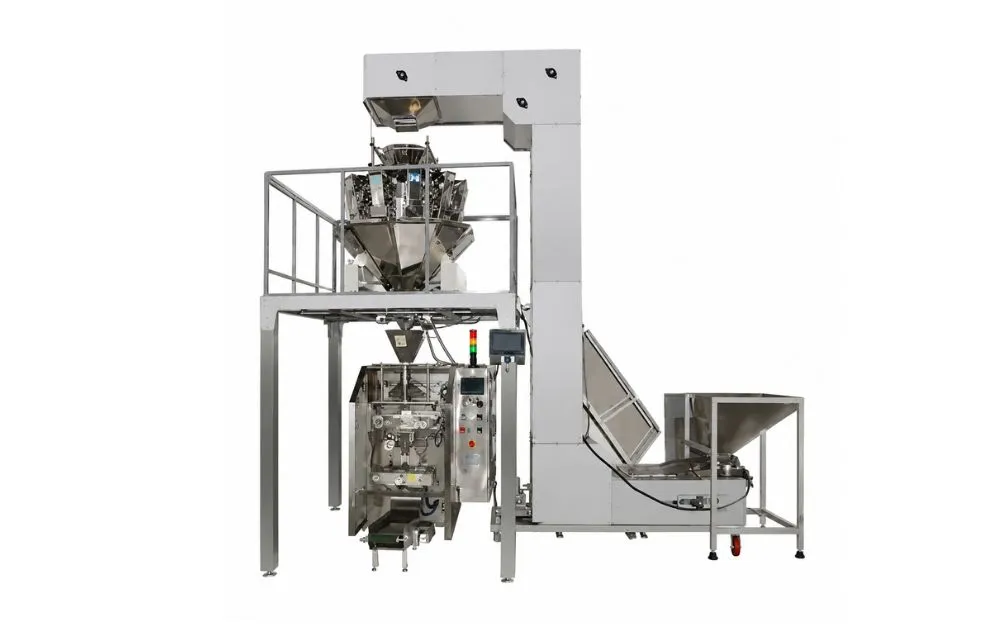
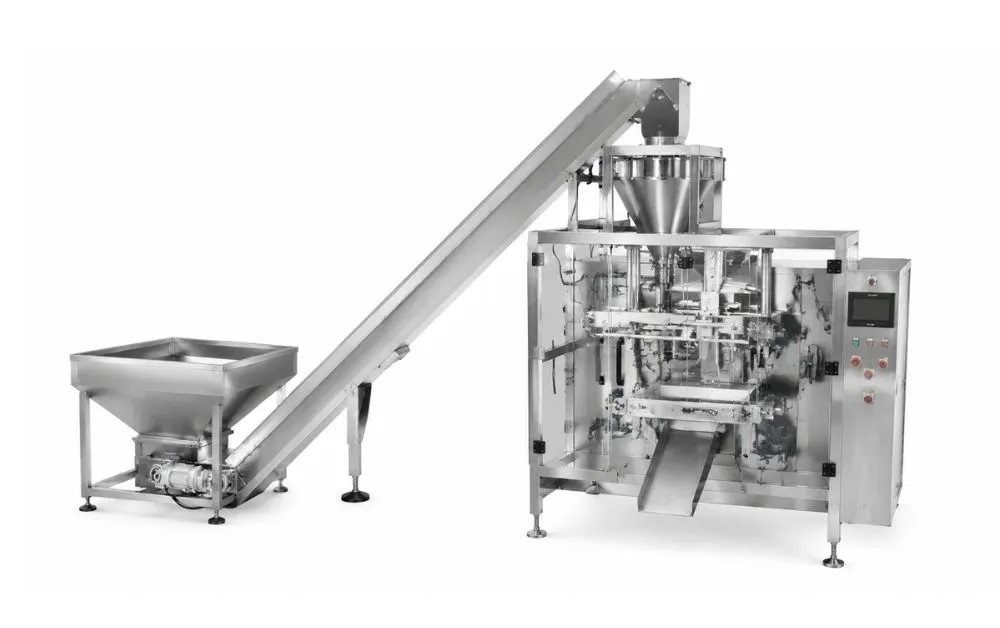
Filling machines dispense precise, controlled quantities of product into containers, bottles, bags, pouches, or sachets. The appropriate filling technology depends on the product’s physical properties. Volumetric fillers dispense a fixed volume and suit liquids, semi-liquids, and pastes — sauces, juices, shampoos, and cleaning products. Net-weight fillers measure and dispense by weight and are standard for granular and powdered products — coffee, spices, grains, and chemical powders. Auger fillers use a rotating screw mechanism to dispense fine, free-flowing powders — flour, seasoning blends, and pharmaceutical powders — with exceptional dosing accuracy.
Category 2: Sealing Machines
Sealing machines create the hermetic closures that protect product freshness, prevent contamination, and provide tamper evidence that modern retail and regulatory requirements demand. Heat sealers use controlled temperature and pressure to bond compatible film materials. Induction sealers apply electromagnetic induction to seal foil liners inside caps — standard for pharmaceuticals, condiments, and high-value liquids. Vacuum sealing removes oxygen from the package before sealing — essential for extending the shelf life of meat, cheese, and other oxygen-sensitive foods.
Read more-What Factors Should You Consider When Buying Packaging Machines?
Category 3: Wrapping Machines
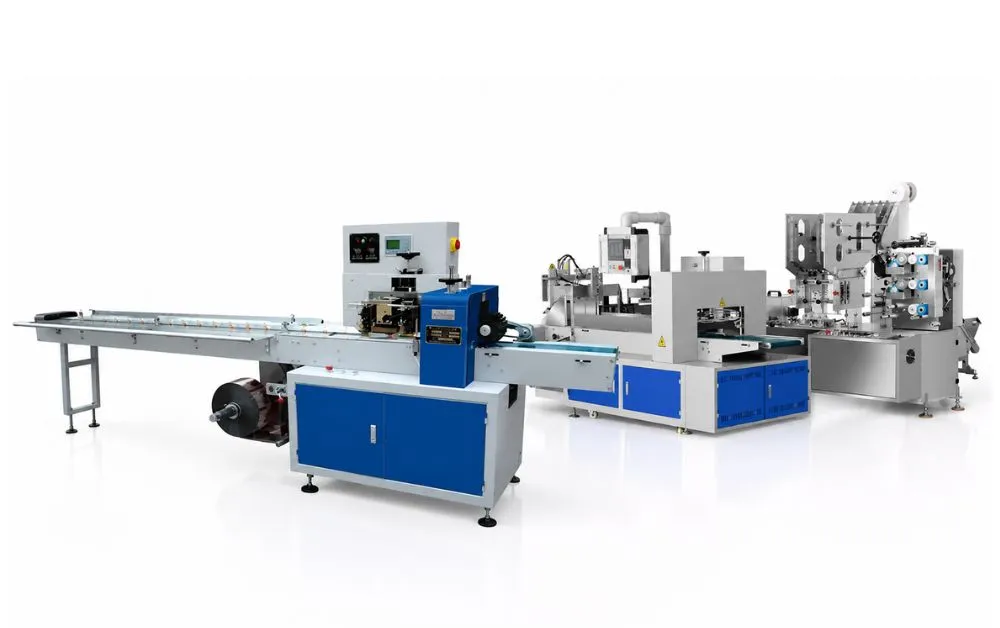
Flow wrappers package individual products in a continuous film wrap — the most common format for confectionery, biscuits, bakery products, and fresh produce. Stretch wrappers secure palletised loads for storage and transport, using pre-stretch film technology that reduces film consumption by 50–70% compared to standard stretch wrapping. Shrink wrappers apply heat to shrink film tightly around products or multi-packs — widely used for bottled water, beverages, and consumer goods.
Category 4: Labelling and Coding
Labelling machines apply pre-printed labels to containers, bottles, boxes, cartons, and bags with positioning accuracy typically within ±0.5mm. Modern systems accommodate wraparound, front-and-back, top, and tamper-evident label application at speeds up to several hundred containers per minute. Coding and marking equipment — inkjet, laser, thermal transfer over printer — prints batch numbers, best-before dates, barcodes, QR codes, and variable data directly onto packaging as required by UAE and export market regulations.
Category 5: End-of-Line Systems
Cartoning machines automatically erect, fill, and close cardboard cartons. Case packers pack filled cartons into transit cases. Palletisers — robotic or conventional — stack cases onto pallets in precise patterns ready for stretch wrapping and despatch. These end-of-line systems represent a significant labour saving and speed increase in high-volume operations, and are increasingly integrated with warehouse management systems for real-time production tracking. The pace of packaging technology innovation in the UAE market continues to accelerate, driven by Industry 4.0 connectivity, AI-enhanced vision inspection, and increasingly stringent regulatory labelling and traceability requirements across food, pharmaceutical, and consumer goods sectors. Packaging machines with integrated OPC-UA connectivity and real-time OEE monitoring are becoming standard specifications on new UAE production line projects.
Conclusion
Whether you are establishing a new production line from scratch or upgrading existing equipment to meet growing demand, working with an experienced packaging machines supplier in uae who understands your specific product, production speed requirements, regulatory environment, and packaging format needs is the foundation of a successful, competitive, and cost-efficient manufacturing operation. The right partnership delivers not just equipment, but the application expertise and ongoing support that maximizes your investment’s return.
