
What Are the Differences Between Single and Double Stage Pulverizer Machines?
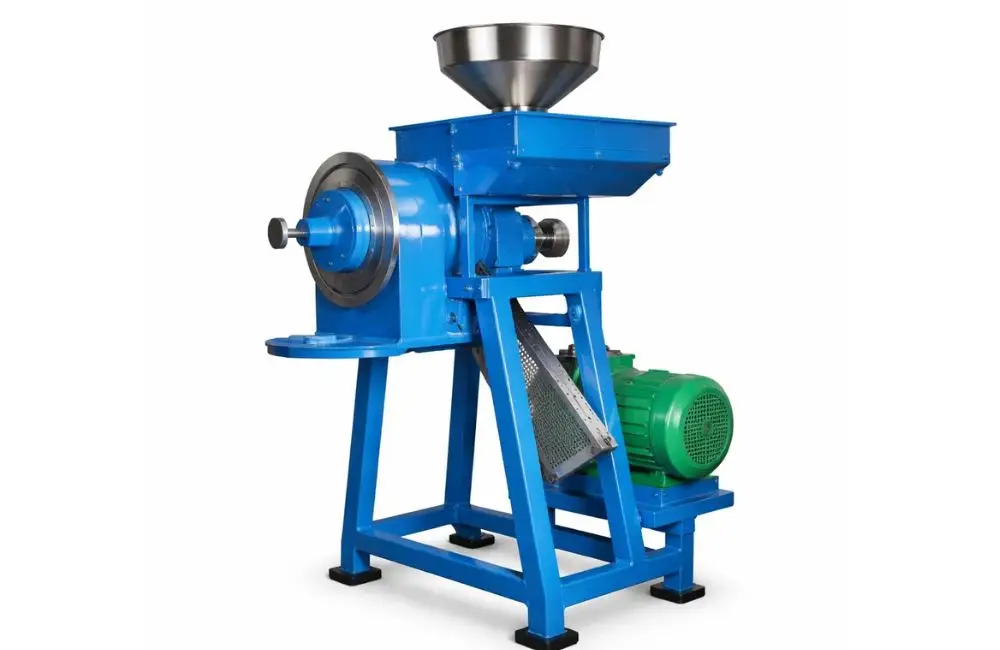
Pulverizer machines are essential in industries where materials need to be turned into powders, such as food processing, pharmaceuticals, chemicals, and minerals. Choosing the right type of pulverizer can make a big difference in terms of efficiency, product quality, and overall costs. While single-stage pulverizers are simpler & more straightforward, double stage pulverizer machines bring advanced features that offer better results. Here’s a breakdown of the key differences between the two:
Basic Design and Operation
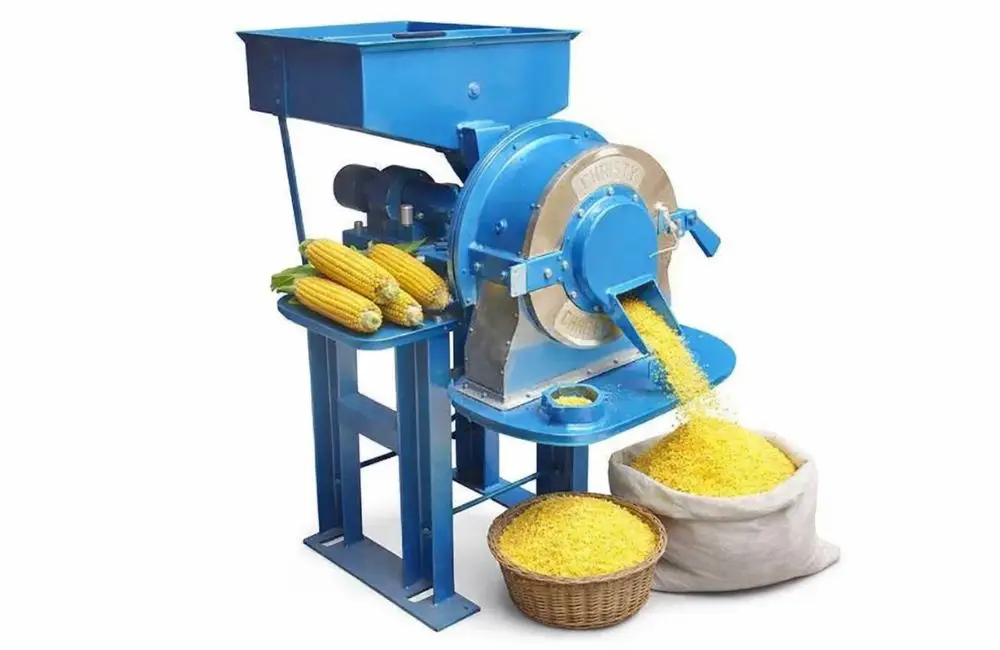
Single-stage pulverizers have a simple design, using a single grinding mechanism to crush & pulverize materials in one pass.
- Simplicity: They are easy to operate & maintain, making them a great choice for smaller operations or materials that don’t need too much processing.
- Speed: These machines are quick and efficient for lighter to moderate pulverization.
In contrast, double stage pulverizers use two grinding stages. The first stage does the coarse grinding, and the second stage refines the material into a fine powder.
- Enhanced Process: The two stages help ensure uniform particle size and more consistent results.
- More Complex: These machines require more maintenance due to their intricate design but offer much higher efficiency.
This design difference has a significant impact on the consistency and quality of the output.
Particle Size and Output Quality
One of the most noticeable differences between the two types of machines is the particle size of the final product.
- Single-stage: These machines create a coarser powder, and while they get the job done, there’s less control over the uniformity. They’re perfect for applications where precision isn’t critical.
- Double-stage: Thanks to the two-stage grinding process, the powder produced is much finer and more uniform. This is ideal for industries where consistency and high-quality particles are a must, like pharmaceuticals or chemical processing.
The double-stage machine delivers a more refined output, improving product quality and efficiency in further processing steps.
Material Handling and Capacity
Single-stage pulverizers are typically designed for smaller batches & softer materials. They are best suited for low-volume operations where the material isn’t too abrasive.
Double-stage machines, on the other hand, are built for higher capacity and can handle a broader range of materials, including harder and more abrasive substances.
- Versatility: These machines can process a variety of materials without losing efficiency.
- Higher Throughput: Double-stage machines are capable of handling larger volumes with consistent quality, making them great for medium to large-scale industrial operations.
So, if you’re dealing with larger or more varied materials, the double-stage model offers a lot more flexibility.
See also-Beginner’s Checklist: Things to Know Before Buying an Uruli Roaster
Energy Consumption and Efficiency
Single-stage machines are more energy-efficient in terms of their design. However, they might need multiple passes to achieve finer powder, which can end up using more energy in the long run.
Double-stage machines are designed to be energy-efficient too, despite their complexity. The two-stage grinding means you get fine powder in one go, which saves time and energy.
- Optimized Performance: The double-stage machine reduces operational costs by achieving fine powder in one cycle.
- Less Waste: Precise grinding means minimal material loss, making them a more efficient option.
The double-stage machine might cost more upfront, but it often offers better energy savings & efficiency over time.
Maintenance and Durability
Single-stage machines are simple and easy to maintain, with fewer parts to worry about. They’re also more affordable upfront.
Double-stage machines require more attention due to their more complex design. But many modern double-stage models are built with durability in mind, offering easy access points for cleaning and servicing.
- Longevity: With proper maintenance, double-stage machines are built to last and can operate for years.
- Reduced Downtime: Well-built double-stage machines minimize breakdowns, keeping production lines running smoothly.
Although the maintenance may be a bit more involved with double-stage machines, their long-term reliability often makes it worth the investment.
Applications and Industry Suitability
Single-stage pulverizers are a good fit for basic powdering tasks, such as grinding light grains, spices, or soft minerals.
Double stage machines are preferred in industries that need precision, uniformity, and high-quality powders. These include pharmaceuticals, chemicals, food powders, and fine chemicals.
- Product Quality: Industries that require precise particle sizes and consistency, such as pharmaceuticals, will benefit the most from double-stage machines.
- Regulatory Compliance: For industries with strict safety and quality standards, double stage machines ensure that the processed materials meet those standards.
Choosing the right pulverizer really depends on the material you’re processing, how much you need to produce, and the level of quality you require.
Conclusion
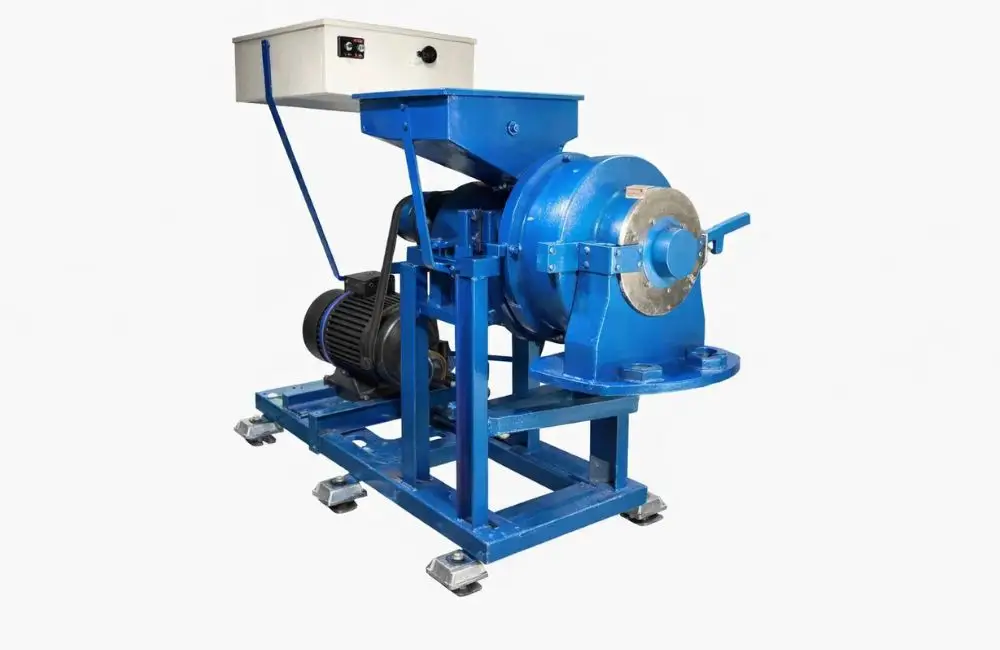
To sum it up, the main differences between single & double stage pulverizer machines come down to design complexity, output quality, material handling, energy efficiency, & maintenance. While single-stage machines are ideal for simpler, low-volume applications, double stage machines offer superior quality, higher efficiency, and greater versatility for demanding industrial processes. If you’re looking for reliable, high-performance pulverizing solutions, Al Jarah Industries gives expertly designed double-stage machines that meet the diverse wants of manufacturers across the UAE.
