Key Factors to Consider Before Buying a Horizontal Machine Bottom Loading Unit
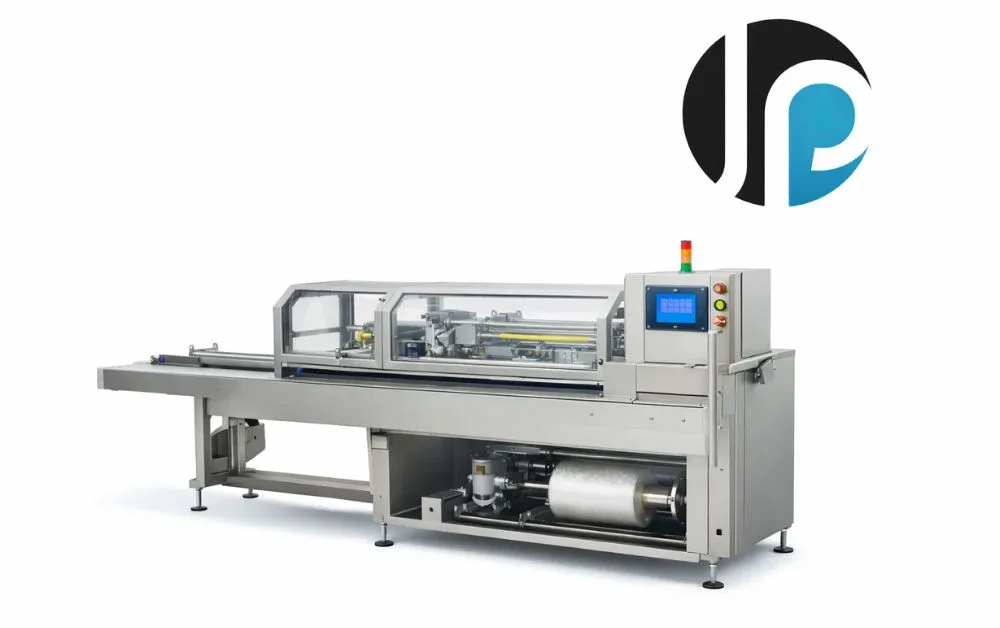
When one is pursuing a horizontal machine bottom loading unit, with reference to horizontal machine bottom loading in UAE, it is equally important to adhere to a systematic investment checklist. A bottom-loading horizontal machine comes with several advantages pertaining to throughput, ergonomics, and integration within a production line-but only when the correct model is selected, a good supplier is found, and it is appropriately set up.
The following are key considerations to make when choosing one that will meet your current needs and support the growth of your business.
1. Manufacturing Capacity & Throughput
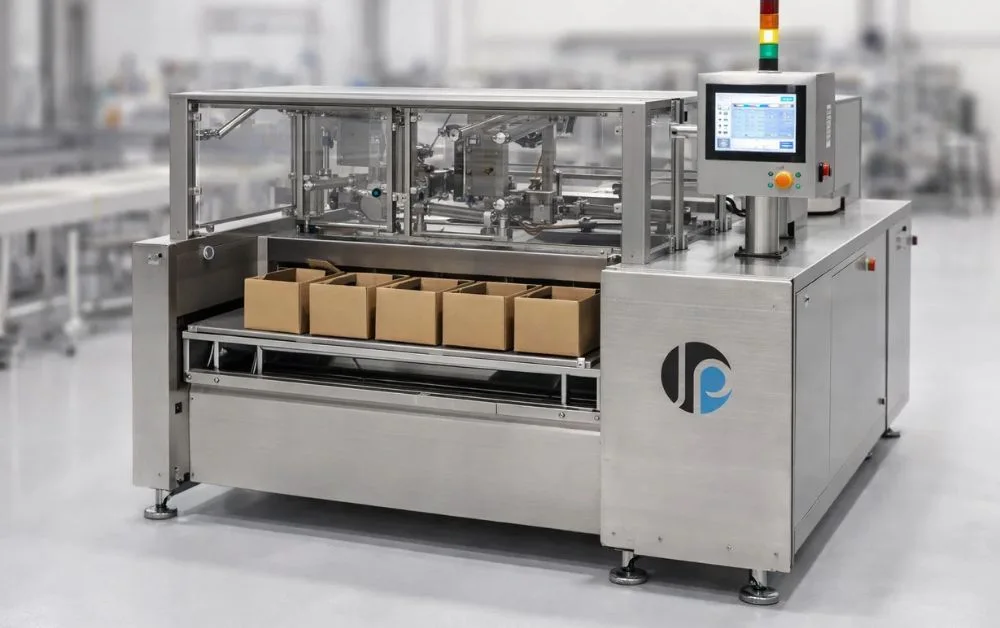
First, identify your needed output rate (bags/hour, pouches/minute, etc.). A bottom‑loading horizontal machine must meet your forecasted volume with some margin for growth. If you buy a unit that only meets your current capacity, you may soon face bottlenecks.
Check how the supplier specifies throughput, for example: changeover times, cycle time per unit, and how consistent that is under your actual product type.
Ask for the expected uptime for the machine, maintenance downtime, and how it handles high‐speed operation relative to reliability.
2. Product Compatibility & Flexibility
Not all horizontal bottom‑loading machines are the same. You’ll need to confirm compatibility with:
- The size and shape of your product: bags, pouches, sachets
- The material and thickness of your film or packaging material
- Whether you need bottom‑loading, which usually means film or product loading from the underside, and how that fits your packaging line layout
- How easy it is to switch formats, for example, when moving from one bag size to another
A machine designed by specialists in the industry will tend to provide better format flexibility and packaging‐specific engineering.
3. Build Quality & Materials
The build quality is a strong indicator of long‐term performance. When reviewing different units, check:
- The frame and structural materials are made of stainless steel, usually for food/pharma, or robust steel for industrial packaging.
- Precision of components (guides, belts, servo drives if present)
- Engineering quality: Is the machine designed for CIP or easy cleaning if required? What protection has been given to moving parts? What brand of controls are used?
The selection of a supplier with a strong engineering heritage can provide confidence that the machine is not merely off‑the‑shelf but engineered for packaging environments.
4. Integration into Your Production Line
Any horizontal bottom‐loading unit must integrate well with upstream and downstream equipment. Consider:
- How the machine will receive product from upstream (conveyors, feeders) and hand off to downstream (sealers, cartoners, case packers)
- Facility layout constraints-Does bottom loading require additional space underneath or special access?
- Electrical, pneumatic, and control interface compatibility—does the machine integrate with your PLC or SCADA systems?
- Safety and ergonomics-since bottom loading may be performed from underneath or from a crouched position, check that the machine is at an ergonomic standard, has guards in proper positions, and meets all safety regulations.
5. Changeover Time & Ease of Operation
The standards for packaging lines in Europe and the US anticipate fast changeovers with minimal downtime. Make sure the bottom-loading machine selected has:
- Tool‐less or quick‐tool changeover
- Clear format change guides and documented procedures
- An intuitive operator interface (HMI, touch screen) with multi‐language support is desirable as it caters to the multinational workforce in the UAE.
- Suppliers who provide training and documentation
A specialist supplier will typically allow better scalability and easier adjustments when needed.
Related read:-How to Choose a Metal Detector for Your Food Production Line
6. Service, Spare Parts & Local Support
Downtime is expensive in the UAE market. Continually evaluate the ability of the supplier to provide local service and spares. Key questions:
- Do they have a local service team or partner network in the UAE?
- What is the lead time for critical spares?
- Is there remote diagnostics or support available?
- Does the purchase include training and commissioning?
Choosing a local specialist supplier will often ensure faster response times and easier access to parts and service.
7. Total Cost of Ownership (TCO)
Beyond the purchase price, consider:
- Power consumption, utility costs, especially if running 24/7 in the UAE climate
- Maintenance labour and parts costs
- Anticipated life of consumables (belts, seals, mechanical wear items)
- Downtime impact: lost production costs if the machine fails
- Future upgrade potential and resale value
A specialist supplier can help optimize TCO through design and support that ensures longevity and efficient operation.
8. Compliance, Certification & Quality Standards
Depending on the industry with which you operate-food, pharma, FMCG-you may need specific certifications: CE, UL, ISO 9001, GMP, or FDA compliance. In the UAE:
- Ensure that the machine conforms to local electrical and safety codes.
- If used for food/FMCG, ensure materials are food-grade and easy to clean.
- Ensure documentation and validation support if needed – IQ/OQ/PQ.
Working with a supplier who understands local and industry-specific compliance standards can save time and trouble down the line.
9. Scalability & Future‑proofing
Buying a horizontal bottom‑loading machine: Think about how your business might grow. Ask:
- Is upgrading the machine for more lanes or higher speed without a complete replacement possible?
- Is the technology of the supplier modular?
- Are software updates supported?
A supplier who designs machines with future upgrades in mind can provide long-term value.
10. Supplier Reputation & References
Finally, check the reputation of the supplier:
- Request references of similar machinery running in the UAE or the Middle East region.
- Visit installations, if possible, or request video walk‑throughs.
- Check how long they’ve operated in the area.
- Confirm warranty terms, after‑sales support commitments, and response times
Conclusion
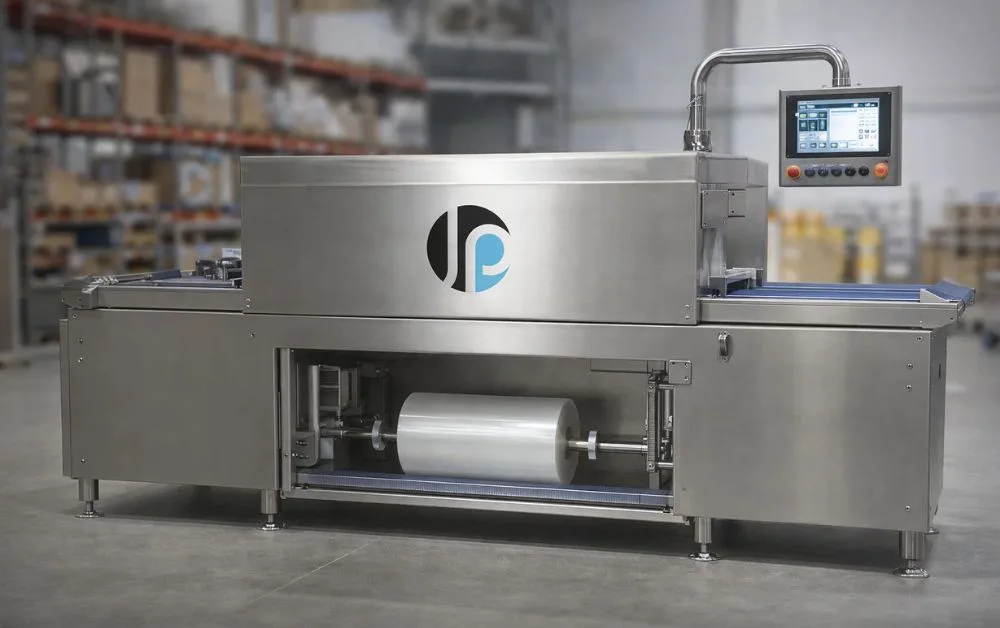
Investing in a horizontal machine bottom loader in the UAE is an important decision. Getting it right means matching not only technical specifications and layout constraints but also working with a supplier who understands the region, supports you, and provides long‑term value. Assessing such essential elements as production capacity, product compatibility, build quality, integration, ease of changeover, service support, total cost of ownership, compliance, scalability, and supplier reputation will put you at a vantage point that enables you to make an informed decision. Choosing wisely will set your production line up for efficiency, reliability, and growth across the UAE and beyond.
