
How to Choose a Metal Detector Supplier in UAE
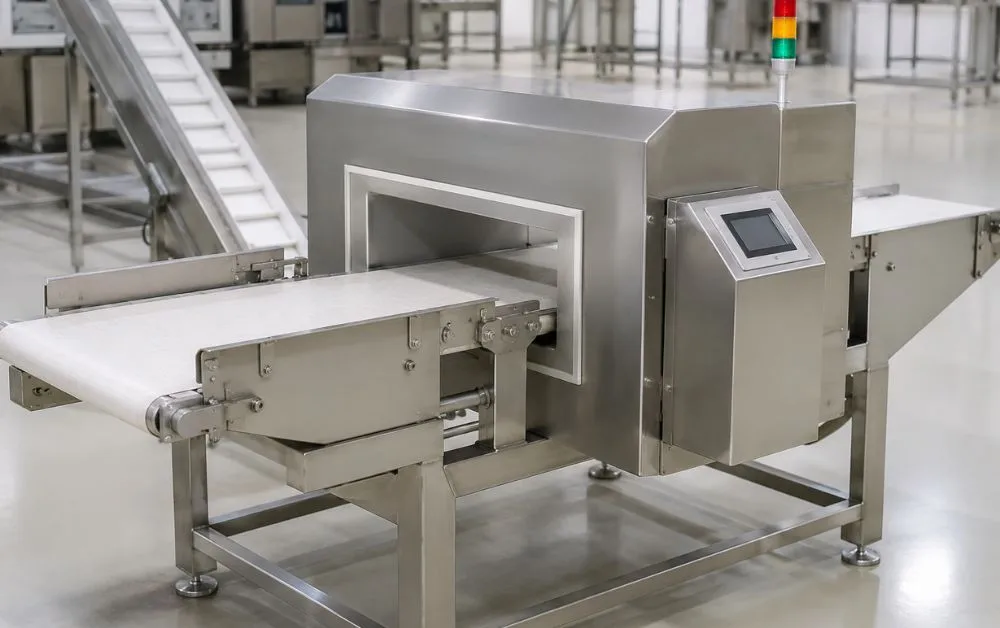
Metal detection is an essential part of quality control in many industries, particularly food processing, pharmaceuticals, textiles, and packaging. These systems identify and remove metal contaminants from products before they reach consumers, protecting both public safety and brand reputation. Choosing the right metal detector suppliers in UAE requires careful consideration of several factors, from technical specifications to after-sales support. Here is what you need to know.
Why Metal Detectors Are Important
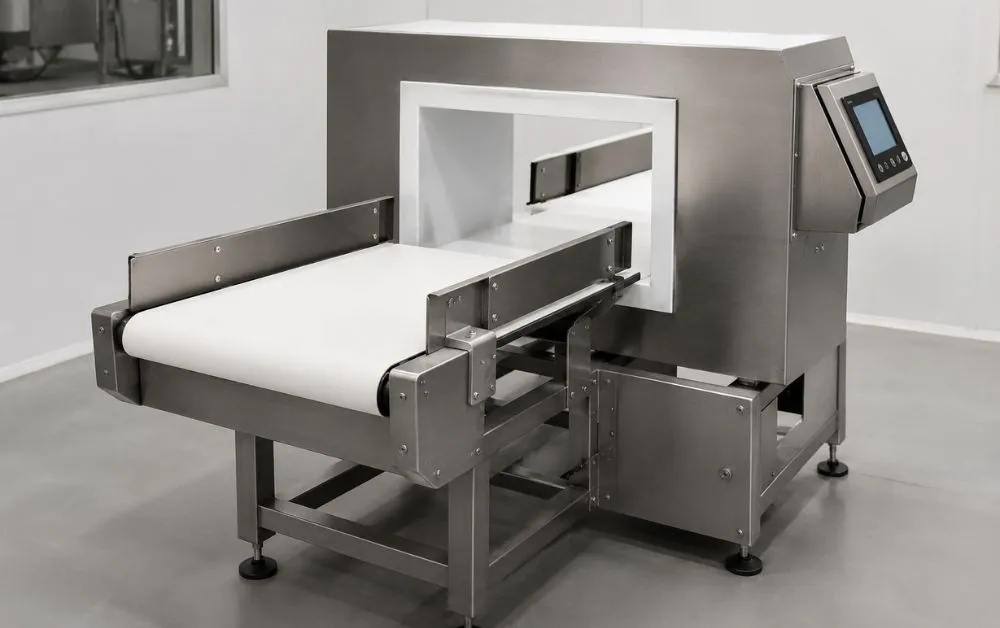
Metal contamination in products can occur at any stage of the production process, from raw material handling to final packaging. Tiny pieces of metal — whether from machinery wear, broken equipment, or raw material contamination — can cause serious injury to consumers and lead to costly product recalls. Regulatory bodies and international food safety standards require manufacturers to have effective metal detection systems in place.
Beyond safety, metal detection protects your production equipment by catching contaminants before they damage downstream machinery. It also protects your brand by ensuring only clean, safe products leave your facility.
1. Understand the Type of Metal Detector You Need
Metal detectors are available in several configurations depending on the application:
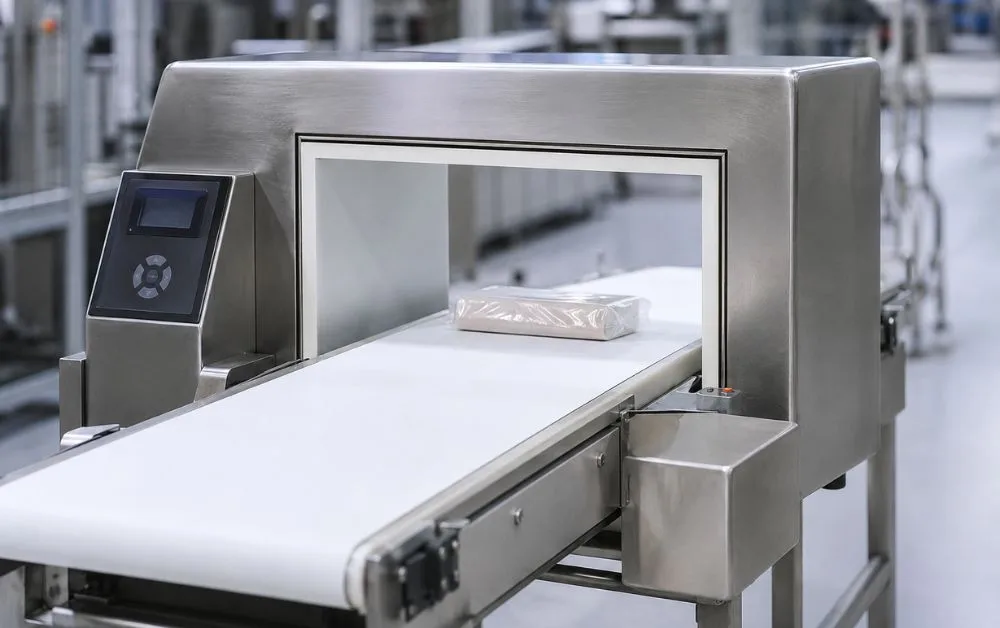
- Conveyor-type detectors: Used for packaged or bulk products on a production line
- Throat detectors: Installed in gravity-fed or pipeline systems for free-flowing products
- Tunnel detectors: For loose, bulk, or irregularly shaped products
- Inspection systems: Combined metal detection with check weighing or X-ray for comprehensive quality control
Identifying the right type for your specific product and production process is the first step. A knowledgeable metal detector supplier in UAE will help you determine which configuration is most suitable.
2. Consider Sensitivity and Detection Range
Different applications require different levels of sensitivity. For example, pharmaceutical products require extremely high sensitivity to detect very small metal particles. Food products may have different requirements depending on the packaging material and product composition. Make sure the supplier can provide specifications that clearly state the minimum detectable size for ferrous, non-ferrous, and stainless-steel particles.
Explore more-How to Choose a Metal Detector for Your Food Production Line
3. Check Industry Compliance and Certification
Your metal detection equipment should comply with relevant industry standards such as HACCP (Hazard Analysis and Critical Control Points), BRC (British Retail Consortium), and IFS (International Featured Standards) for food safety. For pharmaceutical applications, GMP (Good Manufacturing Practice) standards apply. Verify that the products offered by the supplier carry the relevant certifications for your industry.
4. Evaluate the Technology Behind the System
Modern metal detectors use advanced technologies such as multi-frequency detection, which is particularly useful for wet or conductive products that can cause false rejects on standard systems. Phase-correct technology and automatic frequency adjustment help reduce false alarms while maintaining high sensitivity. Ask about the technology used in the systems being offered and how it performs with your specific product type.
5. Look for a Supplier with Technical Expertise
Not all metal detector suppliers in UAE offer the same level of expertise. You want a supplier who understands your production environment, can recommend the right solution for your specific needs, and provides proper installation and commissioning services. Al Jarah Industries, known for their deep expertise in packaging and production machinery, offers guidance and technical support to ensure your metal detection system is correctly integrated into your production line.
6. After-Sales Service and Calibration Support
Metal detectors require regular calibration and testing to ensure they remain effective over time. A supplier who provides scheduled maintenance services, calibration support, and quick response to technical issues is invaluable. Before purchasing, ask about the supplier’s service agreements, response times, and spare parts availability in the UAE.
Conclusion
Choosing the right metal detector suppliers in UAE involves more than just comparing prices. It requires understanding your production requirements, the type of product being inspected, applicable industry standards, and the level of after-sales support available. Al Jarah Industries, with decades of experience in supplying and supporting packaging and industrial machinery in the UAE, is a reliable partner to help you find the right metal detection solution for your business.
